
Combating Senior Isolation: How Companion Visits Help

Senior isolation is a documented medical risk equivalent to smoking 15 cigarettes a day — and consistent companion visits are one of the most effective interventions families can deploy.

Reviewed by Carol Bradley Bursack, NCCDP-certified — Owner of Minding Our Elders

4 min read

·

Updated May 13, 2026

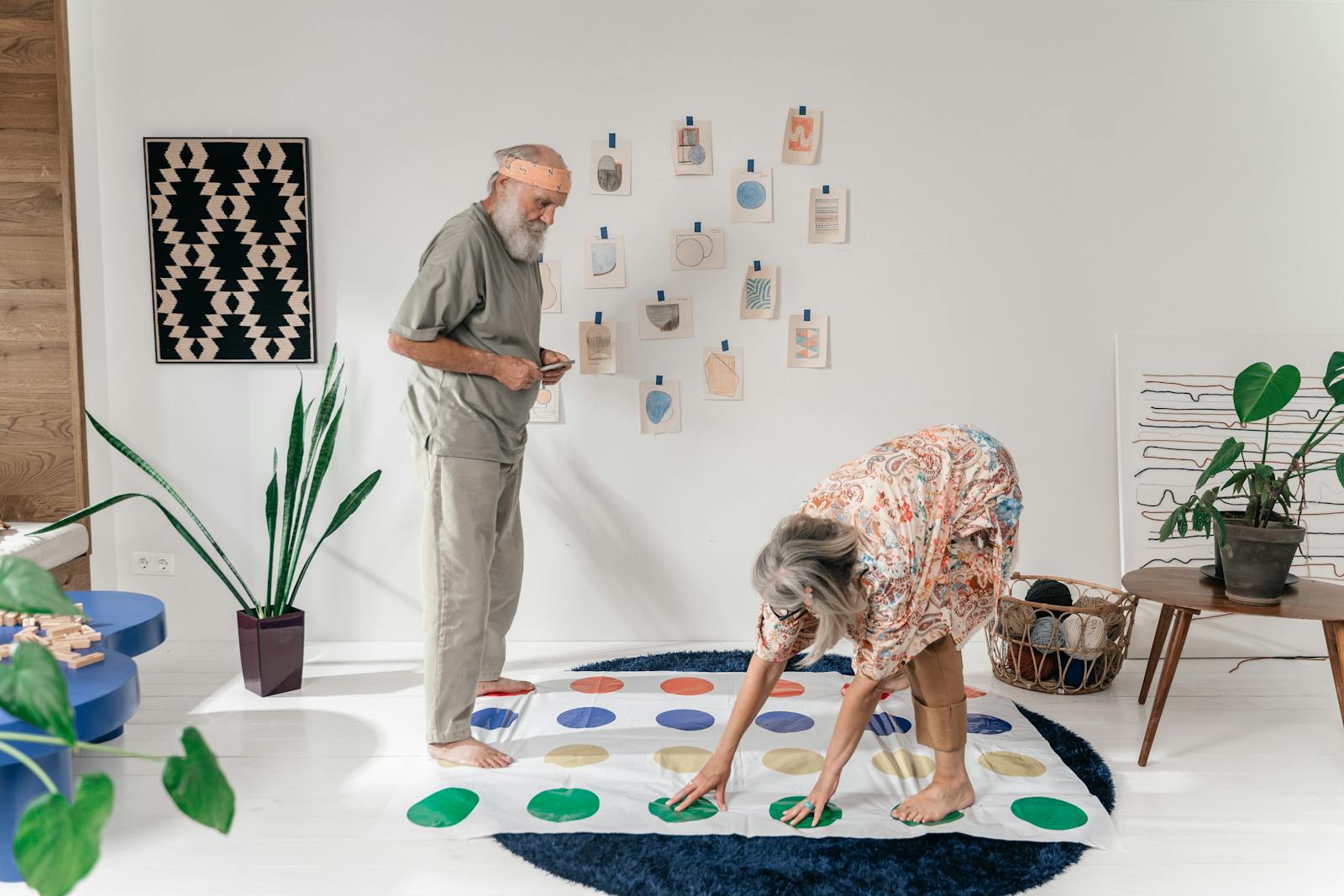
Senior adults craft together in a community space — companion-coordinated social engagement.

Senior isolation is the chronic absence of meaningful human contact in older adults — typically defined as spending most of the day alone with limited social interaction beyond family check-ins. It’s associated with significantly higher rates of dementia, depression, anxiety, heart disease, stroke, and premature mortality. Consistent companion visits — even just 8 to 16 hours a week with the same trained companion — are one of the most effective interventions families can deploy, often producing visible improvements in mood, appetite, and cognition within weeks.

This guide explains the health risks of isolation, the signs to watch for, and how to use companion care to reverse the pattern. For broader context, see our pillar what is senior companion care.

How serious is senior isolation?

The Centers for Disease Control and Prevention classifies social isolation as a serious public health threat for older adults. Specific documented effects:

  • 50 percent increased risk of dementia
  • 32 percent increased risk of stroke
  • 29 percent increased risk of heart disease
  • Higher rates of depression and anxiety
  • Premature mortality comparable to smoking 15 cigarettes a day

The effects are biologically real — chronic loneliness elevates cortisol, increases inflammation, disrupts sleep, and accelerates cognitive decline. Isolation isn’t just sad; it’s medically dangerous.

The signs of senior isolation

Most families don’t recognize isolation until it’s well established. The signs:

  • Spending most of the day alone, mostly watching TV or sitting
  • Stopping the regular phone calls they used to make
  • Declining invitations they would have accepted a year ago
  • Withdrawing from clubs, religious services, or social activities
  • Increased tearfulness, flat affect, or apathy
  • Eating less; less interest in food
  • Less interest in personal appearance and hygiene
  • Sleep cycle disruption (sleeping all day or staying up all night)
  • Increased phone scam susceptibility (loneliness drives engagement with anyone who calls)
  • Loss of weight, often with a doctor not finding a medical cause

Three or more of these in a senior who lives alone or has lost a spouse is enough to warrant intervention — without waiting for it to escalate.

Why companion care works for isolation

The protective factor in social engagement isn’t ‘big’ events. It’s consistency, warmth, and predictability — exactly what companion care delivers:

  • Same companion every visit — relationship builds over weeks and months
  • Scheduled, predictable visits — the senior anticipates them, looks forward to them, structures their week around them
  • One-on-one attention — fully present human contact, not phone calls or video
  • Shared activities — collaboration on something, not just being-with
  • Wellness monitoring — the companion notices the small changes a family member visiting monthly might miss

The intervention works even at modest frequencies. Two 4-hour visits per week — 8 hours total — produces measurable improvements in most isolated seniors within 4 to 8 weeks.

What to expect in the first 90 days

Common pattern across our practice:

  • Weeks 1 to 2: Adjustment. Your parent may be reserved, polite-but-distant, or even hostile. The companion’s job is patience and consistency — not pushing engagement.
  • Weeks 3 to 6: Warming. Conversation becomes more natural. Your parent begins to anticipate visits. Mood often improves visibly. Appetite often returns.
  • Weeks 7 to 12: Real relationship. Your parent talks about the companion to family. New routines emerge (a card game ritual, weekly outings, ongoing photo project). Cognitive engagement is noticeably sharper.

If by week 12 the relationship hasn’t taken hold, the fit was probably wrong — request a different companion. A reputable agency makes the switch without penalty.

Layering interventions

Companion care works best when layered with other anti-isolation interventions:

  • Regular family video calls — predictable, not random
  • Senior center programs — your local Area Agency on Aging has the directory
  • Religious or spiritual community — homebound visits if your parent can’t attend in person
  • Adult day programs — structured social engagement 1 to 5 days a week
  • Pet companionship — when feasible and sustainable
  • Volunteer-driven friendly visitor programs — many communities have these, often free
  • Online interest communities — many seniors thrive in genealogy, book club, or hobby groups via video

Talking to your parent about isolation

Most seniors resist the framing of being ‘lonely’ — it feels diminishing. Reframe around specific positives rather than the deficit:

  • ‘I want you to have someone to share Tuesday lunch with.’
  • ‘A friend of mine has someone come over weekly — they look forward to it.’
  • ‘I’d worry less if someone could check in on Tuesdays.’

Avoid ‘You’re lonely’ or ‘You need a companion.’ Frame as your need, the family’s need, or a positive opportunity — not as their deficit.

What’s the next step?

A free 15-minute conversation with a care coordinator will help you think through whether companion care is the right intervention and what schedule makes sense. Talk to a SeniorCompanionCareNearMe advisor when you’re ready.

Frequently asked questions

How is senior isolation different from being introverted?

+

Introverted older adults still maintain meaningful connections — fewer in number, deeper in quality. Isolation is the chronic absence of meaningful contact, regardless of personality type. An introvert who has a weekly call with one close friend and quarterly visits with family isn't isolated. A previously outgoing senior whose contacts have dwindled to family-check-in calls and TV is. The pattern of contact matters, not the personality.

What if my parent says they're happy alone?

+

Some seniors are genuinely fine with a quiet life and don't need intervention. Others say they're fine because admitting loneliness feels like a deficit. Watch the pattern: are they engaged in activities they enjoy? Do they have meaningful conversations with anyone? Are they sleeping, eating, and maintaining hygiene at their usual baseline? Self-report matters but isn't the whole picture; behavior is the more reliable signal.

Can a pet replace a companion caregiver?

+

Pets help significantly with isolation but don't replace human contact. Cats and small dogs are documented to reduce stress, improve mood, and provide purpose for seniors. Combined with regular human contact, the effect is stronger than either alone. The caveat: a pet requires care your parent must be able to provide; otherwise it becomes another stressor. Many families combine a stable pet with companion care for the human contact.

Are video calls enough to combat isolation?

+

Helpful but not enough. Video calls preserve relationships across distance and are valuable, especially with grandchildren. But the chronic absence of in-person human contact is what produces the documented health risks. A weekly video call plus a weekly in-person companion visit is the layered intervention that actually moves the needle on isolation outcomes.

Does Medicare or insurance cover anti-isolation interventions?

+

Companion care itself isn't Medicare-covered. But the medical consequences of isolation — depression, weight loss, cognitive decline — are well documented, and increasingly some Medicare Advantage plans offer limited supplemental companion benefits. Long-term care insurance covers companion care once the ADL trigger is met. Medicaid HCBS waivers cover it for income-eligible seniors. Some Area Agency on Aging programs provide low-cost or free options. Multiple paths usually exist.

Share this article

About the author

Tina Roberts, GCM, Aging Life Care Professional

Geriatric Care Manager

Tina is a Geriatric Care Manager and Aging Life Care Professional whose practice focuses on senior social engagement, transportation, and combating isolation. She writes about how companion visits, activities, and consistent friendships are not 'nice to haves' but the strongest predictor of healthy aging in place — backed by 14 years of work with families across Northern Virginia.

View full bio

Related articles

A senior couple plays a board game together — companion-led activities that combat isolation.

Combating Senior Isolation in Cary

Senior isolation in Cary is a documented medical risk — consistent companion visits, community programs, and family rotation reverse it.

Tina Roberts

  • Family Caregivers
  • Senior Wellness
Mature adults practice yoga together — companion-supported wellness activities.

Volunteer Companion Programs in Cary, NC

Volunteer companion programs in Cary provide free or low-cost peer support — friendly visitors, Senior Companion volunteers, faith-community programs.

Tina Roberts

  • Companion Care
  • Senior Wellness
Senior women dance in a group fitness class — the kind of activity a companion caregiver supports.

Cary Senior Centers and Social Programs

Senior centers in Cary provide free or low-cost programs — activities, meals, transportation — that complement in-home companion care.

Tina Roberts

  • Companion Care
  • Senior Wellness
A senior participates in creative activity with crayons — companion-led hobby support.

Cary Adult Day Programs for Seniors

Adult day programs in Cary offer structured daytime engagement — meals, activities, peer interaction — for $80–$200 per day.

Tina Roberts

  • Companion Care
  • Senior Wellness
Mature adults practice yoga together — companion-supported wellness activities.

Activities for Cary Seniors: 20 Local Ideas

Twenty activities for Cary seniors — local options, accessibility-friendly ideas, and the indoor staples that work in any weather.

Tina Roberts

  • Companion Care
  • Senior Wellness
Senior women dance in a group fitness class — the kind of activity a companion caregiver supports.

Senior Companion Care in Cary, NC

Companion visits, transportation, and social engagement keep Cary-area seniors thriving — far cheaper than facility care or 24-hour staffing.

Tina Roberts

  • Companion Care
  • Senior Wellness
A senior couple plays a board game together — companion-led activities that combat isolation.

What Is Senior Companion Care? A Family Guide

Senior companion care brings a trained friend into your parent's life a few hours a week — for conversation, activities, transportation, and the social engagement that keeps aging brains and bodies alive.

Tina Roberts

  • Companion Care
  • Senior Wellness
A senior participates in creative activity with crayons — companion-led hobby support.

Activities for Seniors at Home: 25 Ideas That Work

Twenty-five activities that fit the energy, mobility, and attention span of older adults — broken down by what they actually require to set up.

Tina Roberts

  • Companion Care
  • Senior Wellness
A senior couple plays a board game together — companion-led activities that combat isolation.

Senior Companion Care Cost in Cary in 2026

Real Cary-area 2026 numbers — hourly, monthly — plus the funding paths North Carolina families combine to make companion care affordable.

Tina Roberts

  • Companion Care
  • Paying for Care
An elderly couple laughs and bonds while playing Jenga indoors — the everyday joy of senior companion care.

How to Find a Senior Companion in Cary

A 5-step process for finding the right senior companion in Cary — agency interviews, vetting, matching, and 2-week trial.

Tina Roberts

  • Choosing a Provider
  • Companion Care
Senior adults craft together in a community space — companion-coordinated social engagement.

Hourly Companion Visits in Cary

Hourly companion visits in Cary let families build custom schedules — weekly visits, daily mornings, evenings only — at $25–$40 per hour.

Tina Roberts

  • Companion Care
  • Paying for Care
An elderly couple laughs and bonds while playing Jenga indoors — the everyday joy of senior companion care.

Senior Transportation in Cary, NC

Senior transportation in Cary bridges aging-in-place to aging into isolation — seven options from family rides to specialized medical transport.

Tina Roberts

  • Aging in Place
  • Companion Care
Senior women dance in a group fitness class — the kind of activity a companion caregiver supports.

Senior Transportation Services: What to Know in 2026

Senior transportation isn't just rides — it's the difference between aging in place and aging into isolation. Here are the seven options and how to choose between them.

Tina Roberts

  • Aging in Place
  • Companion Care
Mature adults practice yoga together — companion-supported wellness activities.

Hourly Companion Services: Cost, Schedule, and What to Expect

Hourly companion services let you build a custom schedule — a few hours weekly, daily mornings, evenings only. Here's the real math and how to design the right schedule.

Tina Roberts

  • Companion Care
  • Paying for Care
Combating Senior Isolation with Companion Care | SeniorCompanionCareNearMe.com